
New Zealand's Specialist Hot Water Heat Pump Installer
Serving Wellington, Hutt Valley, Wairarapa, Kapiti, Horowhenua & Manawatu
Serving Wellington, Hutt Valley, Wairarapa, Kapiti, Horowhenua & Manawatu
Most New Zealand households don’t think twice about their hot water system, but it can quietly eat up around a third of your home’s electricity bill.
Hot water heat pump vs hot water cylinder: it’s the question we get asked constantly. Both will give you reliable hot water. But they work very differently, cost very differently upfront, and deliver very different results on your power bill over time.
We cover the costs, installation steps, suitability, and usage of both to help you make a decision.
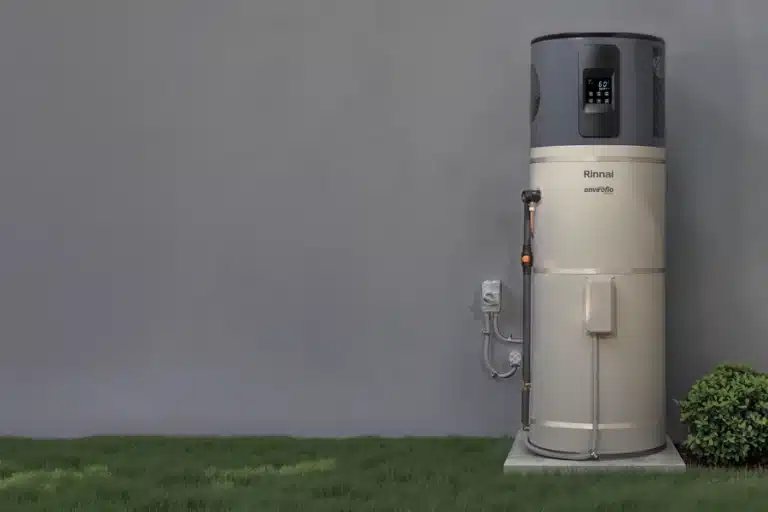
Quick definition: A hot water heat pump heats water by moving heat from the air into your cylinder, rather than creating heat directly with an electric element.
It works on the same principle as your fridge, just in reverse. The system uses a small amount of electricity to run a compressor and fan, but the bulk of the heat energy comes from the air around the unit.
Hot water heat pumps often use 50-70% less electricity than traditional electric cylinders and gas systems.
Quick definition: A hot water cylinder is a storage tank that heats and holds water for showers, taps, baths, and appliances, usually using direct electric heating.
A cylinder is the most common water heating setup in New Zealand homes and has been for decades. The element heats the water directly, which is simple and reliable—but it means you’re converting electricity to heat at a 1:1 ratio, not getting free energy from the air. That straightforward physics is what makes the hot water cylinder running cost notably higher over time.
Entry-level hot water cylinders are cheaper to purchase and can be replaced quickly. That’s genuinely useful if you’re on a tight budget or need something installed fast.
| Hot Water Heat Pump | Hot Water Cylinder | |
|---|---|---|
| How it works | Extracts heat from air | Direct electric element |
| Upfront cost | Higher ($4,000–$7,000 installed) | Lower ($1,500–$3,000 installed) |
| Running cost | 60–75% cheaper to run | Higher ongoing electricity use |
| Energy efficiency | COP 2–4 (3–4× more efficient) | COP ~1 (no efficiency gain) |
| Best for | Long-term savings, high hot water use | Lower upfront spend, fast replacement |
| Installation | Requires outdoor space; more involved | Simple; straightforward swap |
| Lifespan value | Stronger total cost over 10–15 years | Lower purchase price; higher running cost |
| Fits retrofit? | Yes, if cylinder is mains pressure and under 8 years old | N/A |
Heat pump systems earn their keep in high-demand households. The more hot water your family uses, the more electricity an electric cylinder burns—and the more a heat pump saves. For a home of four people with average usage, the difference compounds quickly.
Our long-term analysis puts potential savings at close to $10,000 over 15 years compared to a standard electric cylinder.
The hot water heat pump upfront cost is higher. But the running cost of a hot water heat pump is where the equation flips. EECA data shows these systems can be around 60% cheaper to run than electric resistance cylinders. Once the upfront investment is absorbed, the savings are immediate and ongoing.
The hot water system payback in NZ typically sits in the range of three to six years depending on your usage and current electricity tariff. After that, you’re ahead every single year.
If you’re settling in for the next decade or more, a heat pump system is almost always the better financial decision. The long-term cost of hot water heating is substantially lower with a heat pump, and the system itself is designed to deliver reliable performance for 15+ years.
A standard electric cylinder costs significantly less to purchase and install. If cash flow is the primary concern, or if an old system has just failed and you need hot water back quickly, a cylinder replacement can be the practical short-term answer.
Sometimes the priority is simple: get hot water running again. A straightforward hot water cylinder replacement in NZ can often be done in a day, with fewer installation requirements than a heat pump system.
EECA notes that heat pump hot water systems for family homes are particularly cost-effective if their hot water use is high. For smaller homes or households with genuinely low demand, the payback period extends—which doesn’t make a heat pump wrong, but it does shift the calculation.
Here’s the honest framing when considering hot water heat pump vs hot water cylinder: a hot water cylinder usually wins on the first quote. A hot water heat pump usually wins on every power bill after that.
The question most homeowners should ask isn’t “which is cheaper today?”. It’s “which gives me better total value over the life of the system?”
Water heating accounts for roughly a third of the average household power bill. That’s not a small target. Reducing that amount has a real, compounding effect on your finances year after year.
For most households in Wellington, Hutt Valley, Kapiti, Wairarapa, Horowhenua, and Manawatu who plan to stay in their homes, the electric cylinder vs heat pump water heater comparison shifts decisively toward the heat pump once you look beyond the installation invoice.

The savings vary, but credible NZ sources are consistent:
In actuality, how much a hot water heat pump can save depends on household size, electricity tariff, and usage. Higher-demand families will sit toward the top of that range.
A2W offers integrated, split, and retrofit pathways. Retrofit is possible when your existing cylinder is mains pressure and under eight years old, which can reduce the overall hot water heat pump upfront cost significantly. Installation is more involved than a cylinder swap, but A2W provides upfront, fixed-price quotes so there are no surprises.
A like-for-like cylinder swap is simpler and quicker. The existing pipework is largely reused, often completed in a single visit. It’s straightforward but it also means stepping back into the same high-running-cost cycle.
Not every home needs a full system replacement. If your existing cylinder is mains pressure and under eight years old, a retrofit could be the smarter move.
A2W adds a heat pump unit to what you already have, cutting the cost of a brand-new installation. It’s worth checking your current setup before defaulting to a straight swap.
Both options can work. The air to water hot water system still runs more efficiently, but the payback period is longer if usage is genuinely low. Worth a conversation with a specialist.
A hot water heat pump is the strong choice. Higher demand means faster payback and greater cumulative savings. Sizing matters: A2W recommends the right cylinder volume for your household to avoid running short during back-to-back morning showers.
If the existing cylinder is mains pressure and under eight years old, a retrofit heat pump is worth considering before defaulting to a straight replacement. You may be able to upgrade without the cost of a full new system.
A2W works extensively across Wellington, Kapiti, Hutt Valley, and the Wairarapa. Efficient water heating for Wellington homes is well within the operating range of modern heat pump systems, as today’s units handle temperate coastal conditions reliably. A2W’s team understands local conditions and can advise on the right hot water system for coastal homes.
A well-installed hot water heat pump is designed to run for 15 years or more. A2W’s cost analysis shows that when you factor in energy use and system lifespan together, heat pump systems come out ahead for most NZ households over time. An electric cylinder is simpler mechanically, but higher electricity consumption means the total cost of ownership is typically greater over 10–15 years.
The best replacement for an old hot water cylinder comes down to your priorities.
Choose a hot water heat pump if:
Choose a hot water cylinder if:
Either way: factor in your household size, existing setup, how long you plan to stay, and what your current power bills look like. The right answer isn’t the same for everyone but for most homes in A2W’s regions, the better long-term question is total value, not just today’s price.
A2W are hot water heat pump specialists, not generalist plumbers. We install integrated, split, and retrofit systems across Wellington, Hutt Valley, Wairarapa, Kapiti, Horowhenua, and Manawatu, and publish detailed savings data so you can see the numbers before you commit.
Every quote is upfront and fixed-price, with no hidden installation costs, no surprises.
Not sure whether a heat pump or a cylinder is the better fit for your setup? Use A2W’s online estimate tool to get a personalised assessment without having to pick up the phone first.
Yes, significantly. EECA data shows hot water heat pumps use around 60–75% less electricity than a standard electric cylinder. That translates to meaningfully lower water heating power bills in NZ from day one of operation.
Generally yes. A standard cylinder replacement typically costs less upfront than a heat pump system. The trade-off is a higher ongoing running cost over the life of the system.
EECA estimates around $284 per year for an average household. A2W’s 15-year analysis puts total savings for a four-person household at close to $10,000 compared to running a standard electric cylinder over the same period. Your actual savings depend on household size, usage, and electricity tariff.
Yes, in many cases. A2W offers a retrofit pathway for cylinders that are mains pressure and under eight years old. It’s worth checking your existing setup before committing to a full replacement.
They can be, but the payback period is longer with lower usage. The efficiency gains still apply, but the financial case is strongest for moderate-to-high-use households. A conversation with A2W about your specific situation will give you a clearer picture.
For most NZ households planning to stay in their home for five or more years, a hot water heat pump delivers better total value over time. If budget is the immediate constraint, a cylinder replacement is a practical short-term option, but it’s worth understanding the long-term running cost difference before deciding.



Privacy Policy | This site is protected by reCAPTCHA and the Google Privacy Policy and Terms of Service apply.
Thank you! We need your help. Would you share your experience on one of these sites?

